Your Packaging Is Speaking to Customers Before You Do
Packaging starts shaping customer perception before the product has a chance to prove itself. From the box and labels to inserts and delivery materials, every detail communicates something about the quality, confidence and consistency of the business behind it.
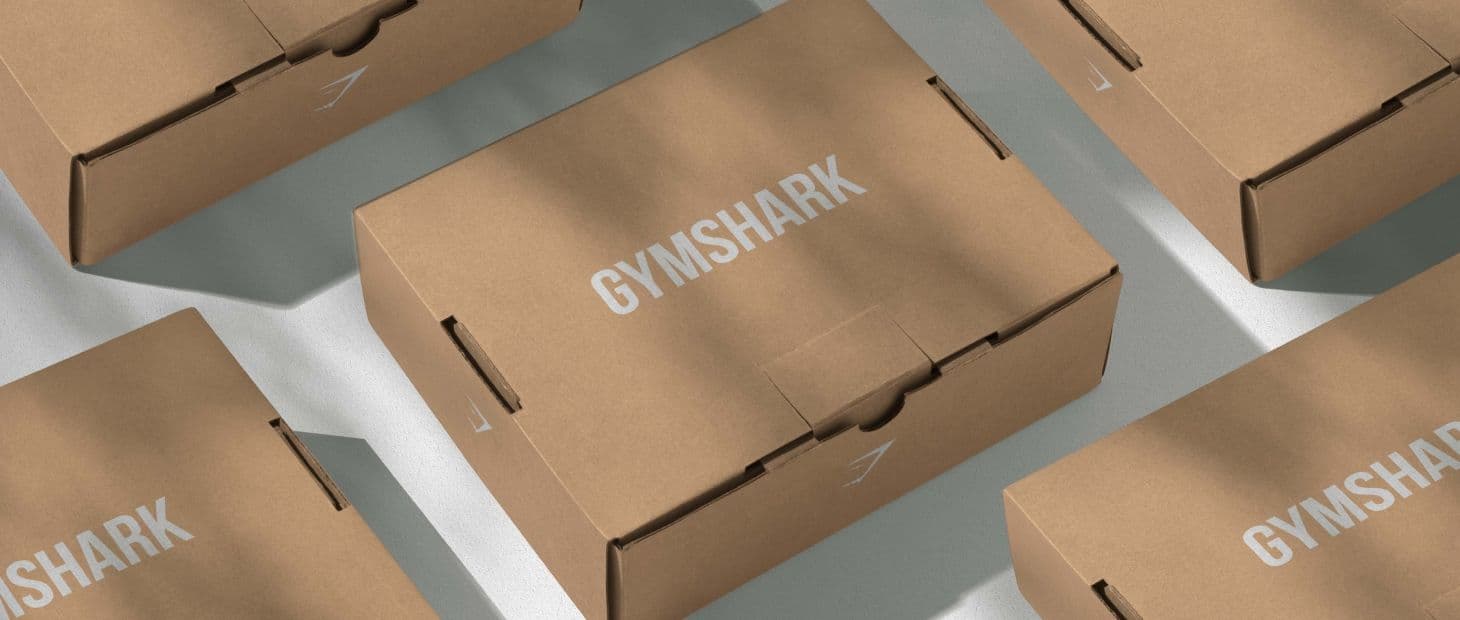
Before somebody uses your product or speaks to your team, they have already started forming an opinion of your business.
They have seen the box. Picked it up. Felt the material. Read the label. Opened the parcel. Noticed whether the details feel considered or whether everything seems to have been added at different times by different people.
Packaging communicates long before the product has a chance to prove itself. The question is whether it is saying what the business wants it to say.
Packaging is more than the box
Packaging is often treated as a container with a design applied to it. Something that protects the product, carries the logo and includes whatever information is legally required.
That is part of the job, but it is not the whole job.
Packaging can signal quality, make a product easier to recognise and show where it sits within a wider range. It can make a purchase feel considered before the customer has even reached the product.
It also includes far more than the main box. Labels, sleeves, swing tags, inserts, tissue paper, delivery packaging and printed product information all contribute to the same experience. If each element tells a slightly different story, the customer feels the inconsistency even if they cannot explain it.
The first physical interaction matters
For many businesses, particularly those selling online, packaging is the first physical interaction a customer has with the brand.
Everything before that point happened through a screen. The website made a promise, the photography created an expectation and the confirmation email provided reassurance.
Then the parcel arrives.
If the physical experience feels careless, generic or disconnected, some of that anticipation disappears. If it feels coherent and thoughtfully made, it reinforces the decision the customer has already made.
This does not mean every delivery needs an elaborate unboxing performance. Packaging should suit the product, customer and commercial reality. Often, the most effective details are quiet: information that is easy to find, appropriate materials and a consistent visual language.
Consistency creates confidence
A single piece of packaging can look brilliant in isolation and still contribute to a weak overall experience.
This usually happens as businesses grow. New products are launched, different suppliers become involved and teams solve immediate problems. Over time, the range starts pulling in several directions.
Colours shift. Logos move. Product names follow different rules. Information appears in a different order on every item. The customer has to work harder to understand what belongs together.
Consistency is not about making every package identical. It is about creating enough shared structure for the brand to remain recognisable while giving different products room to do their own job.
That balance is especially important when the range includes different categories, sizes, audiences or markets. Without a clear system, every new product creates another design problem. With one, the business can grow without rebuilding the brand each time.
Good packaging works inside the business too
The customer sees the final result, but packaging has to work for many people before it reaches them.
Product teams need room for changing information. Marketing needs a recognisable brand experience. Suppliers need clear specifications. Internal teams need to know which elements are fixed and where they have flexibility.
This is why packaging design cannot be separated from systems and guidelines. A beautiful concept that only its original designer can reproduce is not a useful long term solution.
The system should help people make consistent decisions without asking the same questions every time. That saves time, reduces avoidable errors and protects the quality of the brand as more people become responsible for it.
Designing packaging at scale
Our work with Gymshark has reinforced how important that systems thinking becomes when packaging needs to operate across a large and evolving business.
The challenge is not simply to design one good looking item. Packaging has to remain recognisable across different products and customer touchpoints, while still being practical for the teams and suppliers using it.
That requires decisions about hierarchy, information, materials, formats and consistency. The visible design is only one part of the work. Behind it sits a structure that helps each new application feel like part of the same brand.
Those principles apply whether a company ships millions of products or is preparing to launch its second range. The scale changes, but the need for clear thinking does not.
What is your packaging saying?
Packaging is easy to judge at the surface. Does it look good? Does the logo stand out? Will it look impressive in a photograph?
The more useful questions go further. Does it create the right expectation? Can customers navigate the range? Does it feel connected to the website and wider brand? Can the system support the next product, market or supplier?
Great packaging does not merely decorate what a business sells. It connects the promise made before purchase with the experience that follows it.
Your team may not be there when the customer opens the box. Your packaging is.
Key takeaways
- Packaging starts shaping customer perception before somebody experiences the product itself.
- Every physical touchpoint contributes to the brand, not only the main box.
- Consistency creates confidence without requiring every product to look identical.
- A scalable packaging system helps customers, internal teams and suppliers make sense of a growing product range.
Frequently asked questions
Why is packaging important to a brand?
Packaging is often the first physical interaction a customer has with a business. It communicates quality, personality and value while connecting the experience before purchase with the product the customer eventually receives.
What is a packaging system?
A packaging system is a set of visual and practical rules that helps different products and formats feel connected. It can define hierarchy, typography, colour, product information, materials and how the identity adapts across a growing range.
Does consistent packaging mean every product should look the same?
No. Consistency means creating recognisable relationships between products while allowing each one to communicate what makes it different. A strong system balances familiarity with enough flexibility for different categories, audiences and markets.
When does a business need packaging guidelines?
Packaging guidelines become particularly important as a company adds more products, suppliers, markets or internal teams. They make decisions easier, reduce inconsistency and protect the customer experience as the business grows.